Attractions & Activities
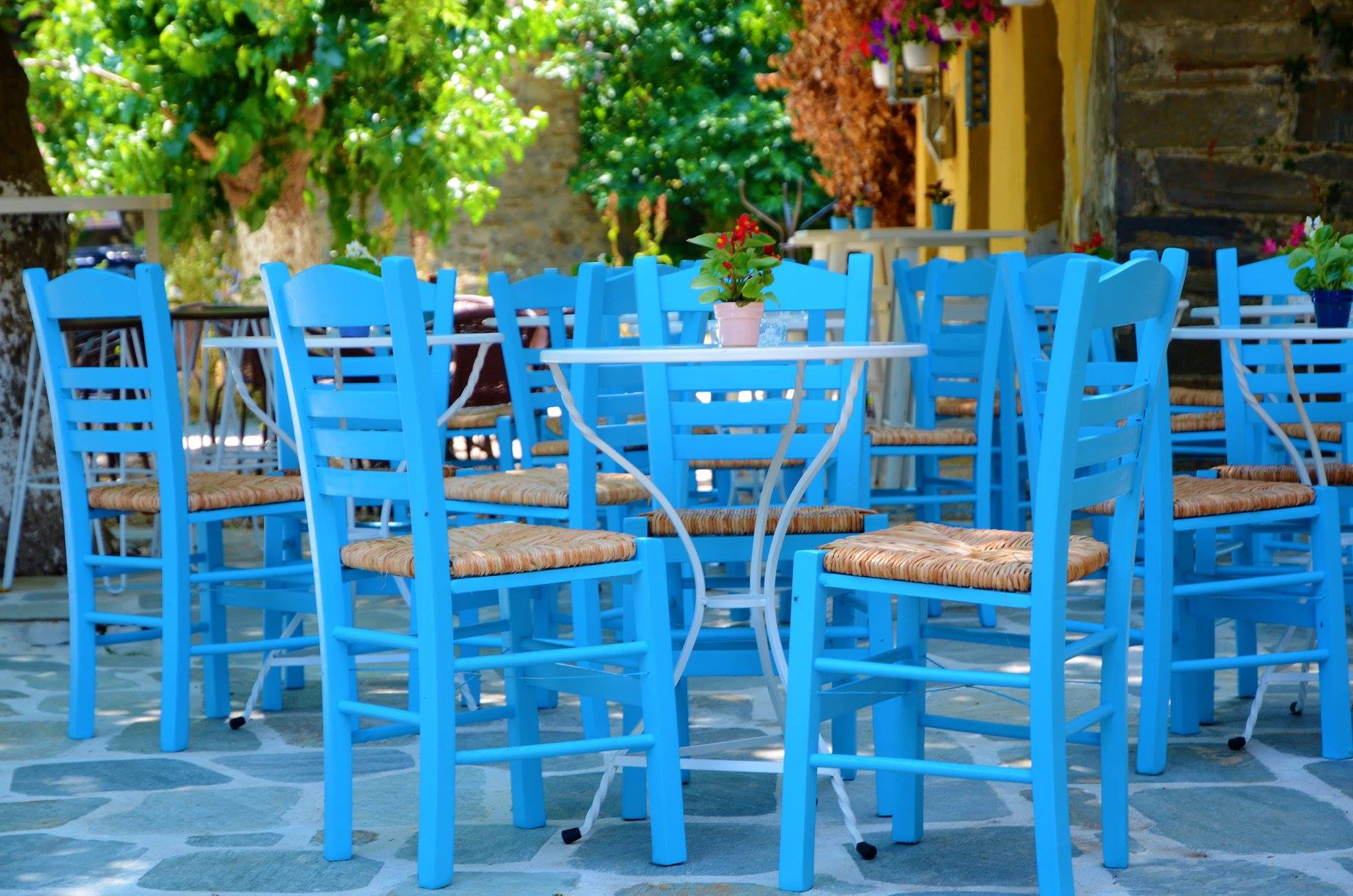
Old Town of Nikiti
The folklore museum of Nikiti, located in the upper part of the village, presents the history and development of the settlement during the 19th and 20th centuries. In fact, it is housed in the old school that was built in 1870 and is now a historical monument protected by the state.
Saint George, Nikiti
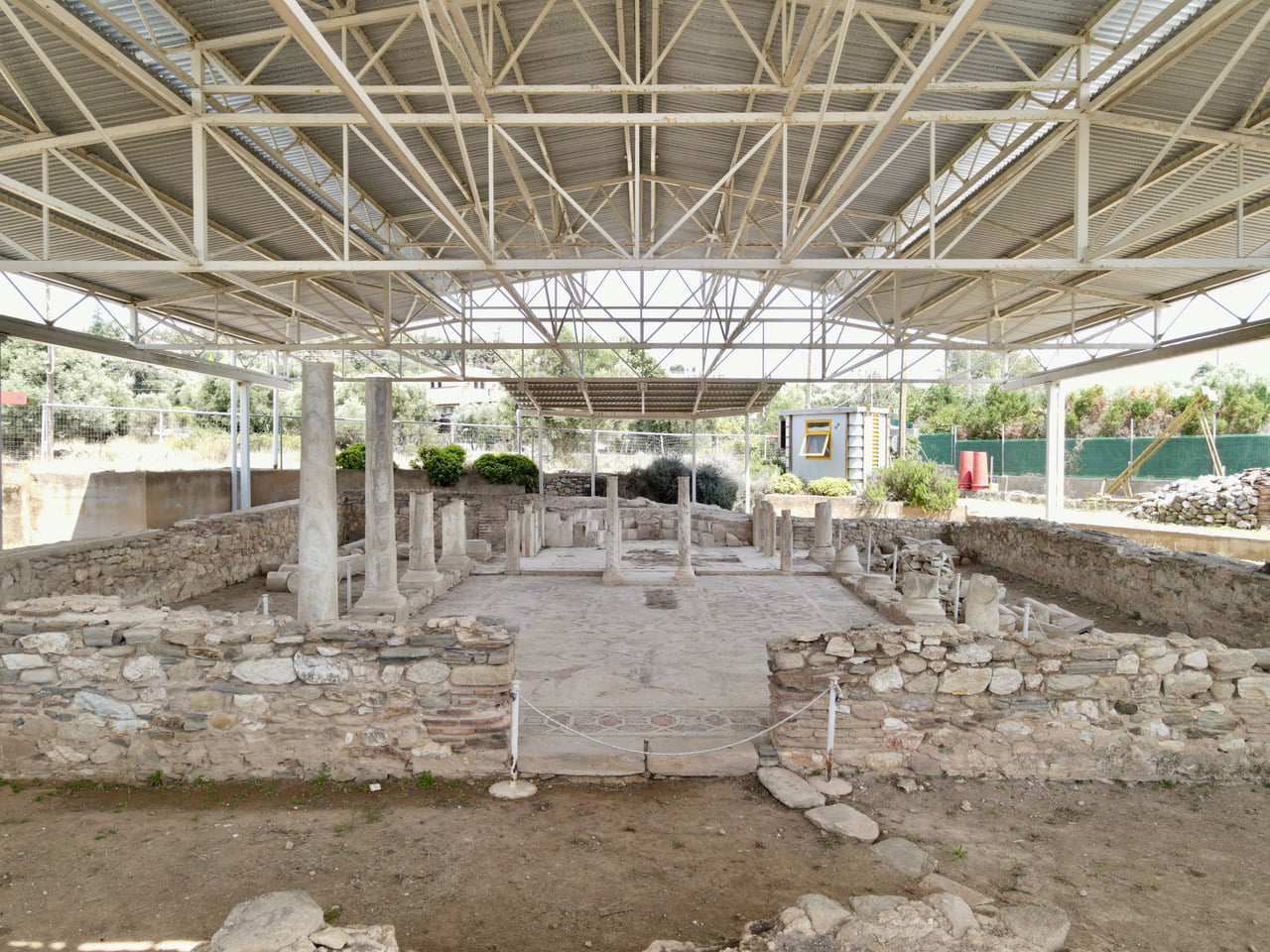
If you are an antiquarian, then it is a good opportunity to visit the area of Agios Georgios, south of Nikiti. There you will find the ruins of the basilica of Agios Georgios. Just 60 meters away, lies one of the most important and remarkable early Christian monuments in Halkidiki, the basilica of Bishop Sophrony. Together with the basilica of Agios Georgios, they constitute the most brilliant testimonies of the early Christian period in the wider area (4th-6th century AD).
Toroni
At the southwestern tip of the Sithonia peninsula, one finds Toroni. In ancient times, it was one of the richest cities in the region. Today, there are fragments of the ancient city’s foundation and we can even see the castle of Likythos.
Olinthos
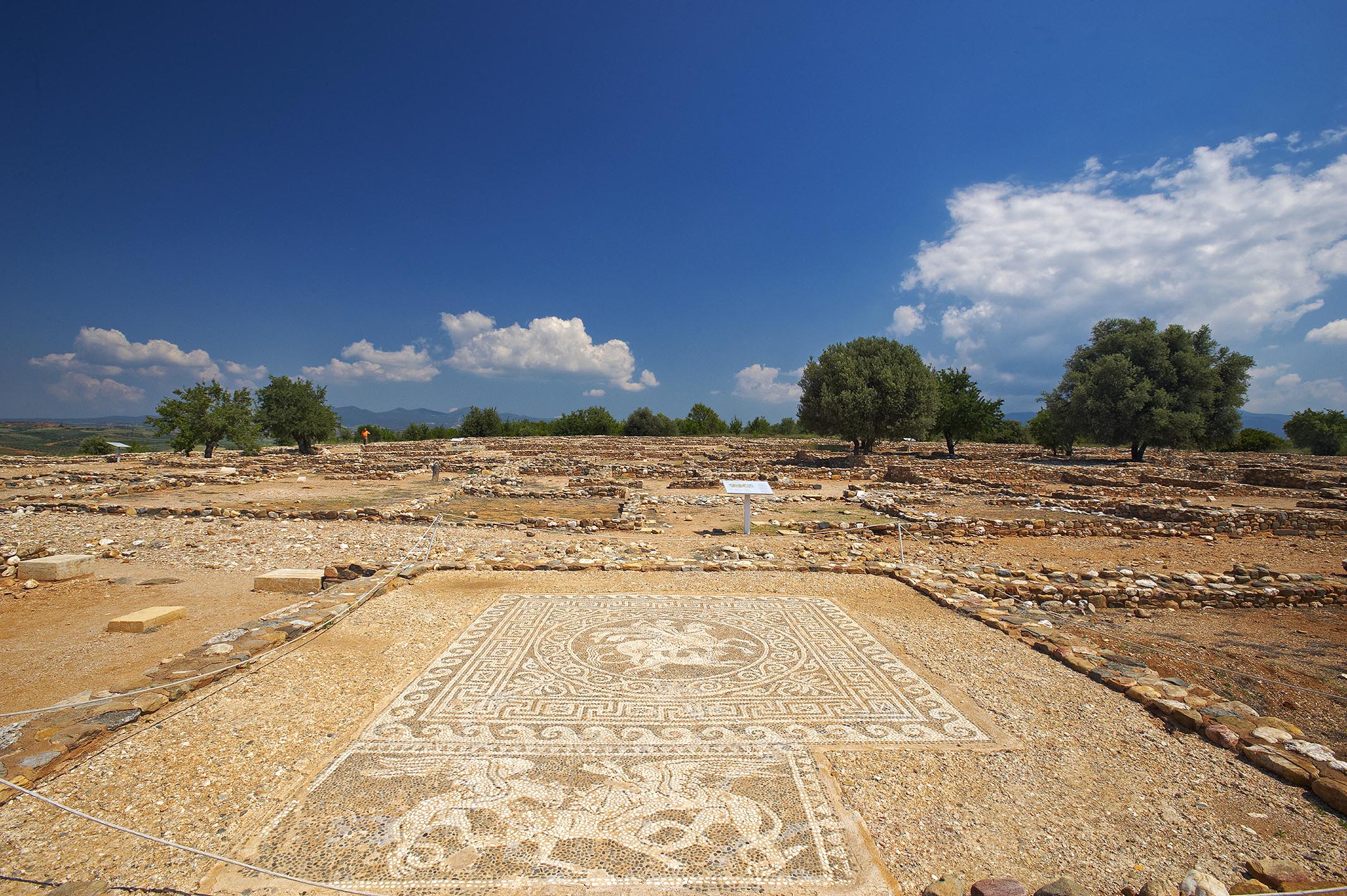
Another place, within easy reach of Nikiti, that is worth visiting is ancient Olynthos. There you will find the museum and take a guided tour of the archaeological site that includes the two hills where the city once stood.
Stageira
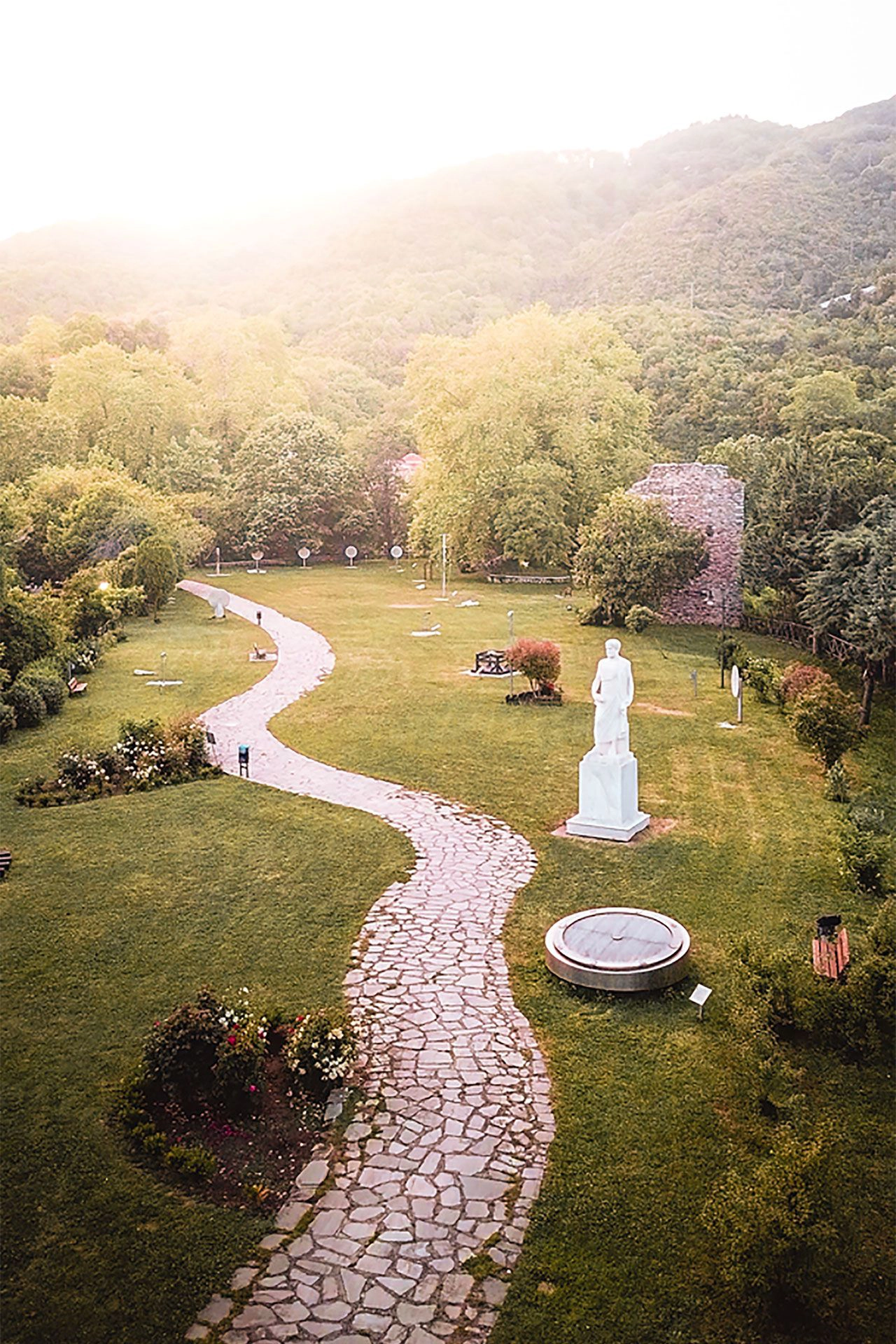
In the mountain village of Stageira, the birthplace of the philosopher Aristotle, you can find the park dedicated to him and try out the various interactive instruments, combining education and entertainment at the same time.
Petralona
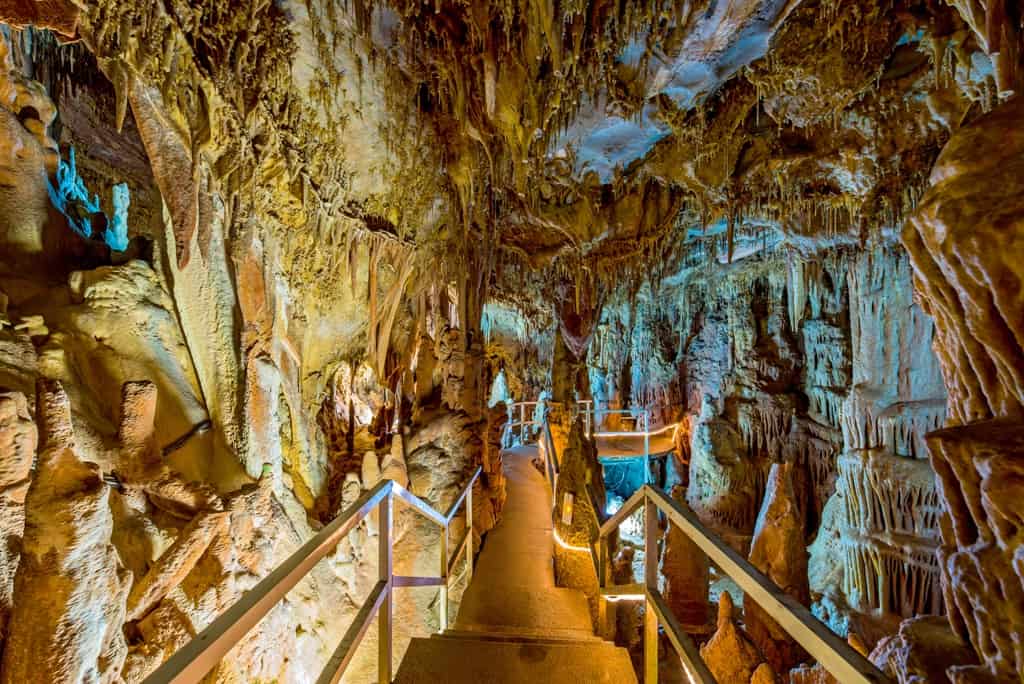
The Petralona cave is equally an important archaeological and geological site that would be worth a visit. It is located 800 meters from the homonymous village and right next to it is the museum with the findings of the cave, where the skull of the first archaic man found in Europe is exhibited.
Vergina
Excavations by archaeologist Manolis Andronikos in 1977 near the village of Vergina brought to light findings that proved that the area is identified with the city of Aigai, the ancient capital of Macedonia.
It was a series of unconsecrated royal tombs, located under a hill. One of them belonged to King Philip II, the father of Alexander the Great and is considered one of the most important archaeological finds of the 20th century.
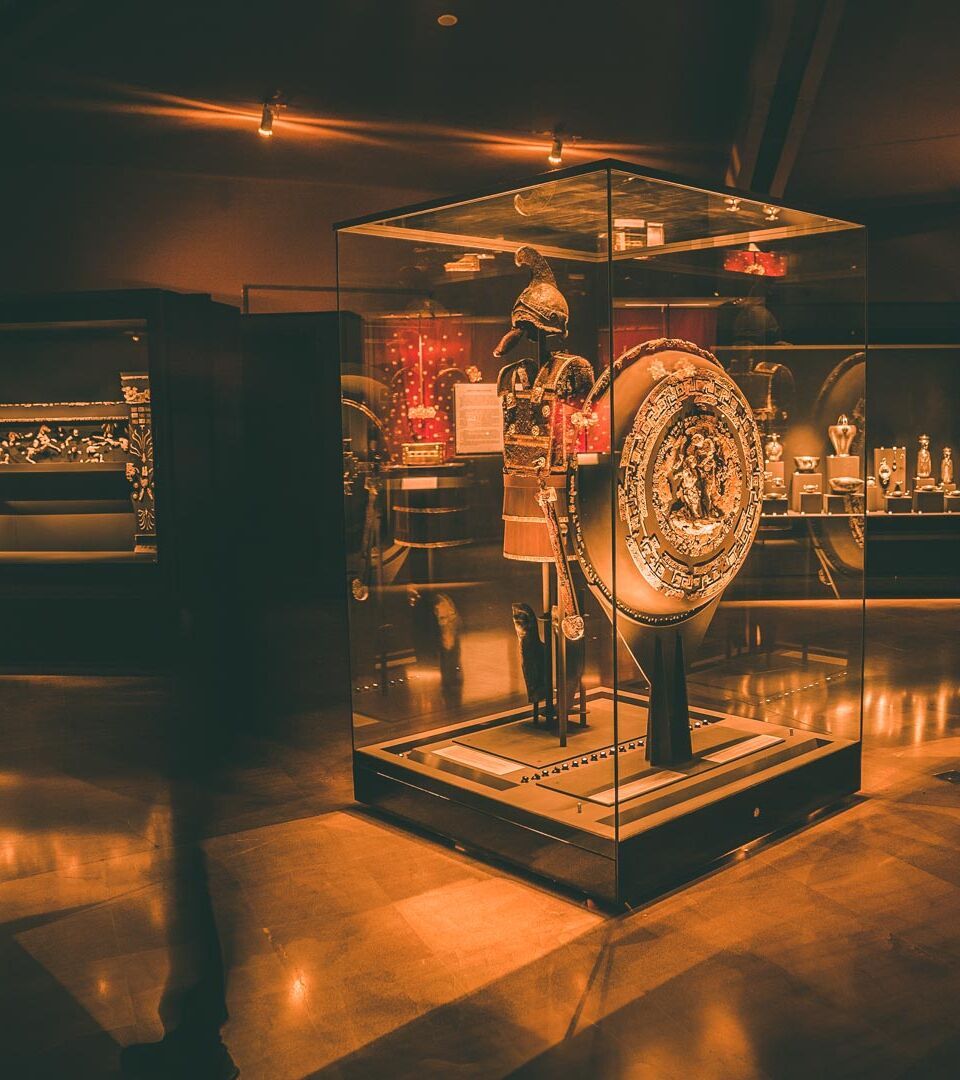
To protect the royal tombs, an underground building was constructed in 1993 that encases and protects the ancient monuments, maintaining stable temperature and humidity conditions, which is essential for the preservation of the frescoes. Here are the golden larnaca, which contained Philip’s bones, as well as the impressive oak wreath he carried. It consists of 313 leaves and 68 acorns. It weighs 714 grams.
The archaeological site of Aigai is protected by UNESCO as a World Heritage Site and as an area of outstanding natural beauty.
The wider archaeological site of Aigai consists of the Polycentric Museum, the Palace, the city, the acropolis and the wider area.
Thessaloniki
Thessaloniki is built on multiple layers of history, and its neighborhoods have hosted cultures from various corners of the globe over the years. Its multicultural character is still evident today through its monuments, its architecture and the habits of its residents.
Being a place with a rich gastronomic history, Thessaloniki offers a wealth of food options from different cuisines, with a wide range of prices, atmosphere and location, thus always remaining at the top of the gastronomic destinations of Greece.
Gastronomy
The gastronomic level in Thessaloniki is constantly rising with more and more restaurants being awarded gastronomic awards every year, evolving traditional cuisine with modern cooking techniques, creating modern spaces with a special aesthetic and always providing high quality service.
Being a place with a rich gastronomic history, Thessaloniki has a multitude of food options from different cuisines, with a wide range of prices, atmosphere and location, thus always remaining at the top of the gastronomic destinations in Greece.
Entertainment
Thessaloniki has always had the reputation of being a city of fun and carefree living, and in addition, ideal conditions for shopping and nightlife, as everything is within close proximity.
Monuments
The numerous monuments of Thessaloniki in its historical center highlight its rich history throughout time.
Starting from the Roman agora in the heart of the city and continuing to the Arch of Galerius, better known as the “Arch”, one ends up with the rich archaeological findings of the Hippodrome Square, which compose an imposing building complex, the so-called Galerian Complex.
In their current form, the Castles of Thessaloniki are mainly the work of Byzantine emperors and the view of the city and the entire Thermaic Gulf from the Upper Town area, which they dominate, is magical.
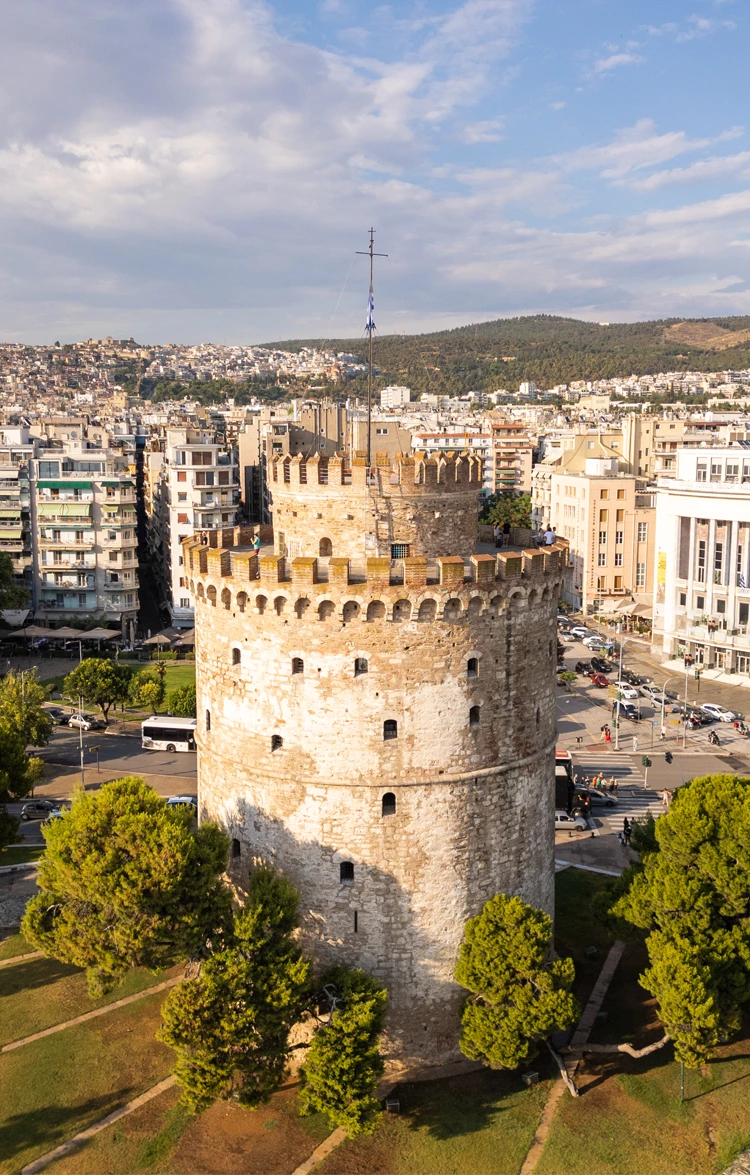
An eternal symbol of Thessaloniki, the White Tower stands proud and imposing, constituting one of the most important monuments of the city. Inside it operates a Museum with interesting exhibits.
The Byzantine churches of Thessaloniki are of great interest, a valuable religious and cultural heritage. Some of them have been included in the UNESCO treaty and are protected as world cultural heritage monuments. The “Early Christian and Byzantine Monuments of Thessaloniki”, as they are known, include the Church of St. George or Rotunda, the Church of Acheiropoietos, the Church of St. Demetrios, the Monastery of Latomos, the Church of St. Sophia, the Church of Panagia Chalkeon, the Church of the Holy Apostles, the Church of St. Nicholas the Orphan and the Church of St. Panteleimon.
Continuing the historical route, one can visit the Muslim monuments of the city: Hamza Bey Mosque, Alatza Imaret Mosque, Geni Mosque, Bezesteni (covered market), Yahoudi Hamam, Fountain.
Finally, in Thessaloniki one can find characteristic examples of neoclassical buildings of the late 19th and early 20th centuries. The Administration Building, the School of Philosophy, the old Customs House, Villa Allatini, the Papafeio Orphanage, the Agios Dimitrios Hospital, Casa Bianca, the Mitta House, the Mehmet Kapantzi House, the 5th Boys’ High School are just some of these wonderful architectural works that one can discover among the modern buildings of the city.
Museums
At any time of the year, visitors to Thessaloniki have the opportunity to admire rare finds and monuments, not only of Greek, but also of world cultural and civilizational heritage, which are found in its museums.
The Archaeological Museum of Thessaloniki (www.amth.gr) presents the entire civilization of Macedonia from prehistoric times to late antiquity, while the Museum of Byzantine Culture (www.mbp.gr) houses exhibits of exceptional historical and religious value, the legacy of our Byzantine ancestors.
MOMus – Museum of Contemporary Art – Collections of the Macedonian Museum of Contemporary Art and the State Museum of Contemporary Art (formerly the Macedonian Museum of Contemporary Art) is responsible for promoting contemporary art and studying its currents in Greece and abroad, through the preservation and promotion of its mostly visual achievements. The permanent collection of the Macedonian Museum of Contemporary Art exhibits important works by Greek and foreign artists, while the State Museum of Contemporary Art, one of the most important of its kind, is home to the famous “Kostakis” collection of works by Russian avant-garde artists.
The core of the collection of the Teloglion Arts Foundation (www.teloglion.gr) is the Telloglou donation, which includes works of art from various cultures as well as works by important Greek and European artists of the 19th and 20th centuries.
It is also worth visiting the Jewish Museum, the Museum of the Macedonian Struggle, the Folklore & Ethnological Museum of Macedonia-Thrace, the Thessaloniki History Center with a rich historical archive of the city, the Cinema Museum which includes rare film and newsreel material, the Photography Museum, the War Museum, which presents important war exhibits from the Balkan and two World Wars, the Olympic Museum and the Water Supply Museum, which is housed in an old pumping station of the Thessaloniki Water Supply Company.
Finally, the facilities of the Science Dissemination Center & Technology Museum/Noesis (www.noesis.edu.gr) include a Planetarium, a Simulator and a Cosmotheater.
Sithonia Beaches
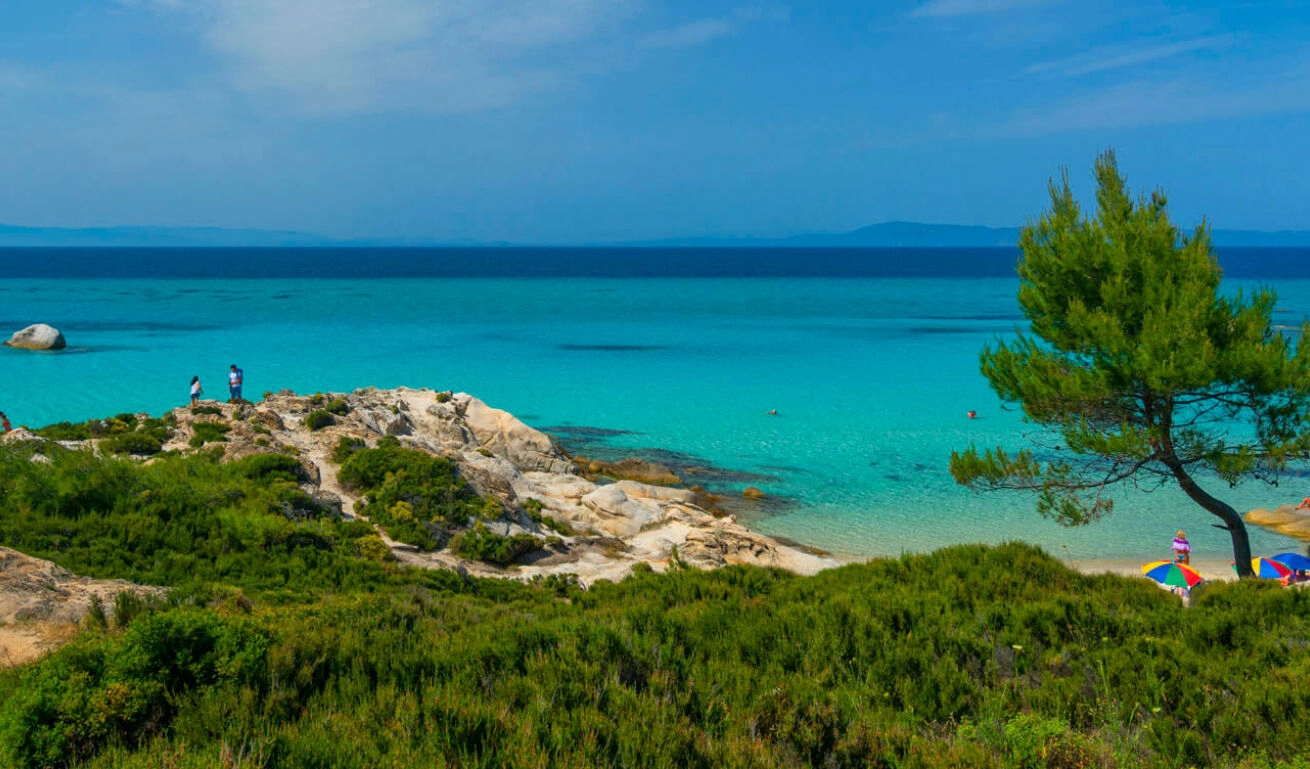
Sithonia has some of the most beautiful beaches in Halkidiki. If you prefer to stay in Nikiti, in the area of Agios Georgios, you will find crystal clear blue sea, with shallow waters and fine sand, ideal for families with children. Between Neos Marmaras and Nikiti is Lagomandra beach. Along it, there is a small pine forest that offers thick shade and coolness to its visitors. Very beautiful and equally worth visiting are Kovioi beach and Kalogria beach.
In the eastern part of the Sithonia peninsula, there is Armenistis beach, which is considered by many to be the best in Halkidiki. On the other side of the Sithonia peninsula, there is Karydi beach. Karydi is the most famous beach of Vourvourou, on the eastern coast of Sithonia, as is Kavourotrypes, with the famous Paradise Beach.
If you want to go somewhere with organized sunbeds and a beach bar, the ideal choice is the beach in Trani Ammouda. The blue flag awarded Trani Ammouda is located next to the natural harbor of Ormos Panagias and has one of the largest sandy areas in Sithonia. A special choice is the Fava coast, where it is surrounded by nature and does not gather so many people. Finally, Lagonisi as well as Tigania and Aretes beaches are among the most visited and would be worth a visit.
Activities
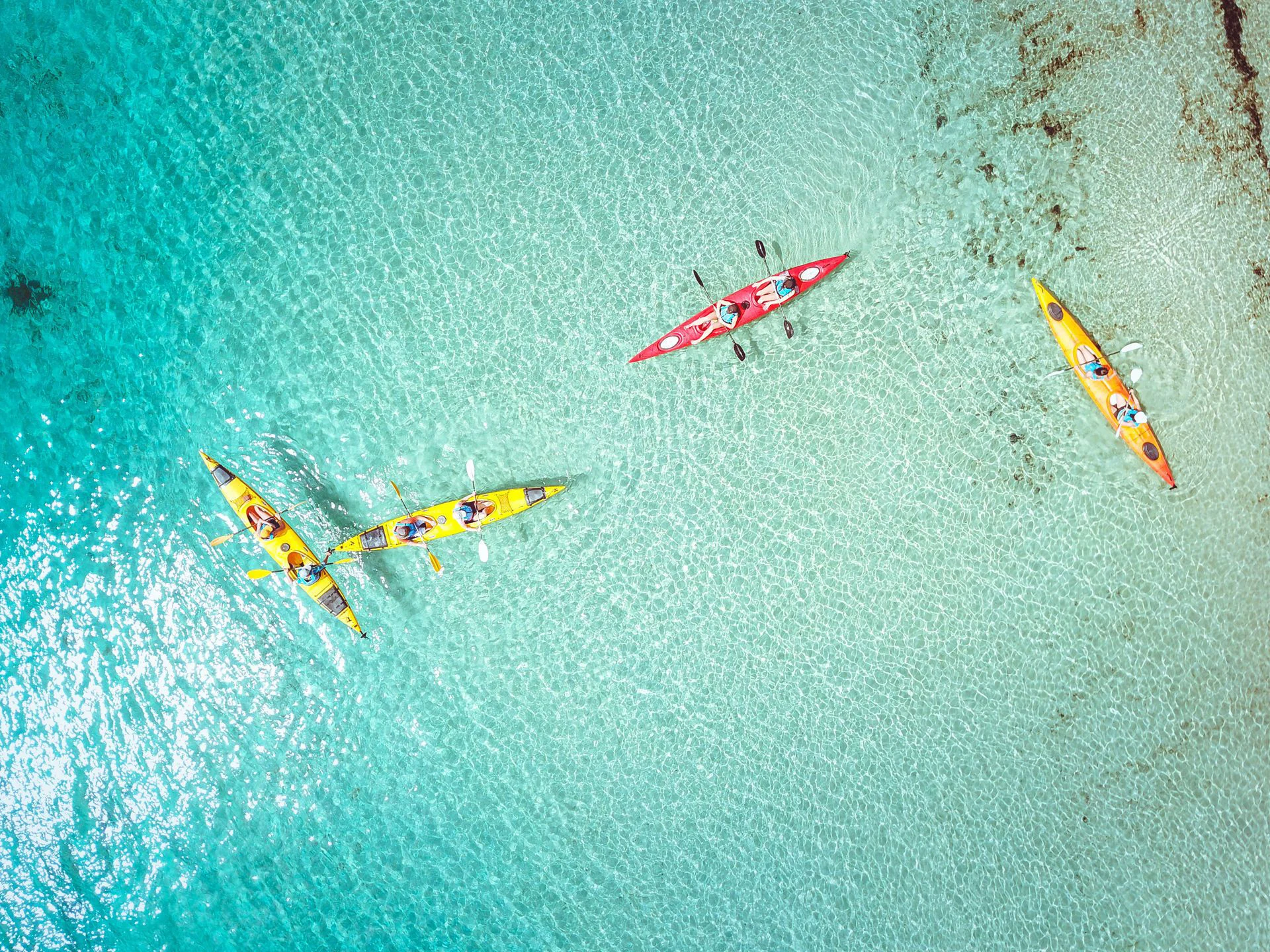
There are several activities that you could do during your stay in Sithonia. Some of them are: hiking trails in the pine forest of Sithonia, horseback riding, fishing, scuba diving (in Nikiti there are 2 diving centers, Atlantis Diving Center and Oceanic Diving Center), and even renting a boat in Vourvourou, with which you can go to the island of Diaporos.
The island of Diaporos is only accessible by sea and you can enjoy the crystal clear waters and the lush green landscape that nature offers you. You can also book cruises from the port of Nikiti for a full-day excursion. You can also take a cruise from Ormos Panagias to Mount Athos, which is essentially a circumnavigation of the foot with a stop in Ouranoupoli. Finally, a ride on the semi-submarine Nemo-Nemo located in the port of Nikiti would give you the opportunity to explore the magic of the seabed.
In the eastern part of the Sithonia peninsula, there is Armenistis beach, which is considered by many to be the best in Halkidiki. On the other side of the Sithonia peninsula, there is Karydi beach. Karydi is the most famous beach of Vourvourou, on the eastern coast of Sithonia, as is Kavourotrypes, with the famous Paradise Beach.
If you want to go somewhere with organized sunbeds and a beach bar, the ideal choice is the beach in Trani Ammouda. The blue flag awarded Trani Ammouda is located next to the natural harbor of Ormos Panagias and has one of the largest sandy areas in Sithonia. A special choice is the Fava coast, where it is surrounded by nature and does not gather so many people. Finally, Lagonisi as well as Tigania and Aretes beaches are among the most visited and would be worth a visit.